

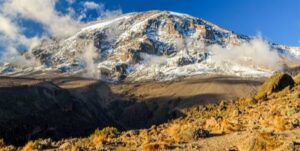
Mount Kilimanjaro rises majestically from the Tanzanian plains, beckoning adventurers from around the globe to test their limits on Africa’s tallest freestanding mountain. At 5,895 meters, this iconic volcano represents more than just a physical challenge—it’s a transformative journey that takes climbers through five distinct climate zones, from tropical forests to arctic conditions, all without requiring technical mountaineering expertise. For thousands of trekkers annually, climbing Kilimanjaro fulfills a bucket-list dream while supporting local communities and experiencing Tanzania’s remarkable natural heritage.
Why Kilimanjaro Captivates Global Adventurers
Unlike the Himalayas or Andes, Kilimanjaro stands alone—a massive volcanic edifice visible for hundreds of kilometers across the East African landscape. This geographical isolation creates its distinctive appeal. You don’t need previous climbing experience, ropes, ice axes, or specialized mountaineering training. What you do need is determination, proper preparation, and respect for the mountain’s challenges.
The mountain’s accessibility democratizes high-altitude adventure. Office workers, retirees, students, and seasoned athletes alike share trails toward Uhuru Peak. This inclusivity, combined with relatively straightforward logistics through established tour operators, makes Kilimanjaro an ideal introduction to high-altitude trekking. Yet make no mistake—reaching the summit demands physical endurance, mental toughness, and strategic planning.
Kilimanjaro also offers profound cultural encounters. The Chagga people have lived on the mountain’s lower slopes for centuries, cultivating coffee and bananas in the rich volcanic soil. Your climbing crew—guides, cooks, and porters—bring decades of mountain knowledge and inject warmth and humor into challenging days. These interactions transform a physical endeavor into a cross-cultural exchange that enriches the entire experience.
Breaking Down the Seven Summit Routes
Each of Kilimanjaro’s seven routes presents unique characteristics affecting your experience, budget, and summit probability. Understanding these differences helps you select the path matching your priorities, timeline, and fitness level.
Machame Route dominates in popularity for good reason. This six to seven-day western approach balances challenging terrain with excellent scenery and smart acclimatization opportunities. You’ll tackle the intimidating Barranco Wall—a thrilling scramble that looks worse than it is—and traverse diverse ecosystems. Expect company from fellow climbers, but the camaraderie often enhances rather than detracts from the adventure. Summit success rates hover around 85-90% with proper pacing.
Lemosho Route appeals to those prioritizing acclimatization and wilderness. Beginning from the western side, this seven to nine-day route follows quieter trails through pristine forests before joining the Machame path for the final ascent. The extended itinerary costs more but delivers success rates above 90%. The “climb high, sleep low” profile gives your body optimal time adjusting to thinning air.
Northern Circuit represents Kilimanjaro’s longest and newest route, circumnavigating the mountain over eight to nine days. This premium option maximizes acclimatization while offering 360-degree perspectives of the volcanic massif. Limited traffic and highest success rates (95%+) justify the premium price tag. If time and budget permit, this route provides the ultimate Kilimanjaro experience.
Rongai Route climbs from Kenya’s border via the mountain’s drier northern face. This six to seven-day option sees less precipitation and fewer crowds. The gentler gradient suits those concerned about steep sections, though the acclimatization profile doesn’t match western routes. Consider Rongai if you’re climbing during rainy season or prefer quieter trails.
Marangu Route, Kilimanjaro’s oldest path, remains popular despite drawbacks. Sleeping hut accommodation instead of camping appeals to comfort-seekers, but the five to six-day standard itinerary rushes acclimatization. Success rates languish around 65%. If choosing Marangu, insist on the seven-day variant for adequate altitude adaptation.
Umbwe Route challenges experienced trekkers with the steepest, most direct approach. This six-day route’s rapid altitude gain and technical sections demand excellent fitness and prior high-altitude experience. Low traffic rewards you with solitude, but summit success rates reflect the aggressive profile. Only consider Umbwe if you’ve successfully climbed other high-altitude peaks.
Shira Route approaches from the west via the Shira Plateau, starting at 3,600 meters—immediately placing you at significant altitude. Most operators now prefer the Lemosho variant, which starts lower and traverses the same plateau with better acclimatization.
Training Your Body and Mind for Success
Physical preparation separates summit success from disappointment. Kilimanjaro isn’t Everest, but it’s not a casual hike either. Summit day involves grueling hours at extreme altitude when every step feels like wading through water. Start training at least four months before departure—six months is better.
Cardiovascular endurance forms your foundation. You need aerobic capacity to trek six to eight hours daily at progressively higher elevations. Build a training schedule incorporating long hikes, trail running, cycling, swimming, or rowing. Aim for four to five weekly sessions lasting 45-90 minutes, with one long effort (3-5 hours) weekly. Gradually increase duration and intensity, simulating the cumulative fatigue of consecutive trekking days.
Leg strength prevents injury and maintains good form when exhausted. Include squats, lunges, step-ups, and calf raises in your routine. Strong legs carry you uphill efficiently and protect knees during descents. Core strength stabilizes your body on uneven terrain and when carrying your daypack. Planks, Russian twists, and dead bugs build essential core stability.
Train with a loaded backpack, progressively increasing weight to 8-10 kilograms. This specificity prepares your shoulders, back, and legs for actual trek conditions. Practice on stairs, hills, and uneven trails whenever possible. Break in your hiking boots thoroughly—blisters at altitude multiply misery exponentially.
Mental preparation deserves equal attention. Visualize yourself succeeding through difficult moments. Develop mantras or mental strategies for when exhaustion and altitude tempt you to quit. Read summit accounts to understand the psychological challenges ahead. Mental toughness often determines who summits when physical capabilities are similar.
Mastering Altitude: Your Biggest Challenge
Altitude sickness ends more Kilimanjaro attempts than any other factor. Understanding how altitude affects your body and implementing smart acclimatization strategies dramatically improves summit odds.
As you ascend, atmospheric pressure drops, reducing oxygen molecules available per breath. Your body compensates through increased breathing and heart rate, but these adjustments take time. Acute Mountain Sickness (AMS) symptoms typically appear above 2,500 meters: headaches, nausea, dizziness, fatigue, and sleep disruption. Most climbers experience mild symptoms—they’re uncomfortable but manageable.
Severe altitude illness—High Altitude Pulmonary Edema (HAPE) or High Altitude Cerebral Edema (HACE)—requires immediate descent and can be fatal without treatment. Warning signs include extreme fatigue, confusion, severe breathlessness at rest, or inability to walk straight. Your guides monitor for these symptoms, but you must communicate honestly about how you feel.
Acclimatization strategies maximize summit success. Choose routes with appropriate duration—longer is better. Ascend slowly, resisting the urge to race younger or fitter climbers. Hydration matters enormously; drink three to four liters daily even when not thirsty. Avoid alcohol and sleeping medications that suppress breathing. Eat adequately despite altitude-suppressed appetite—your body needs fuel.
Many climbers take Diamox (acetazolamide) prophylactically. This medication accelerates acclimatization by acidifying blood, triggering deeper breathing. Consult your doctor about whether Diamox suits you, and trial it before departure to check for side effects. Diamox helps but doesn’t prevent altitude sickness entirely—proper pacing and hydration remain essential.
Acclimatization hikes during rest days aren’t laziness—they’re smart preparation. Climb several hundred meters higher, then return to camp. This “climb high, sleep low” principle primes your body for subsequent altitude gains.
Packing Smart: Essential Gear Considerations
Kilimanjaro’s diverse climate zones—from 30°C tropical heat to -20°C arctic cold—demand versatile, layered clothing systems. Pack strategically; porters carry your main bag, but overpacking means unnecessary weight and disorganization.
Layering system fundamentals: Start with moisture-wicking base layers (synthetic or merino wool) for top and bottom. Pack three to four sets to rotate. Mid-layers provide insulation—fleece or lightweight down jackets trap warmth without bulk. Your outer shell protects against wind and precipitation—invest in quality waterproof, breathable jackets and pants. For summit night, add a heavy insulated parka and insulated pants.
Footwear makes or breaks your climb. Well-broken-in, waterproof hiking boots with ankle support prevent blisters and provide stability. Bring multiple sock systems: lightweight liners prevent friction, while thick hiking socks cushion and insulate. Pack gaiters to keep scree and snow out of boots. Camp shoes or sandals give your feet evening relief.
Critical accessories: Quality sleeping bag rated to -10°C or lower ensures rest at high camps. Trekking poles reduce knee strain and improve balance—they’re mandatory for most climbers. Headlamp with spare batteries lights predawn summit push. Sunglasses (UV400+) and glacier glasses protect against intense high-altitude sun reflecting off snow. High-SPF sunscreen and lip balm prevent painful burns.
Hydration systems: Insulated water bottles prevent freezing better than hydration bladders, which freeze solid at high camps. Bring two one-liter bottles minimum. Water purification tablets backup camp water supplies.
Personal items: Hand sanitizer and wet wipes maintain hygiene where washing facilities are minimal. Pack personal medications, blister treatment, and basic first aid supplies. Bring snacks you enjoy—nuts, energy bars, dried fruit—for quick energy. Quick-dry towel, toiletries, and biodegradable soap round out essentials.
Many items can be rented in Tanzania if you prefer traveling light. Sleeping bags, trekking poles, and cold-weather clothing are readily available from reputable operators.
Daily Life on the Mountain
Understanding daily rhythms helps set expectations. Typical days begin with hot tea or coffee delivered to your tent around 6:30-7:00 AM. Breakfast follows—porridge, eggs, toast, fruit—providing energy for the day ahead. Pack your daypack, organize your duffel for porters, and start trekking by 8:00-8:30 AM.
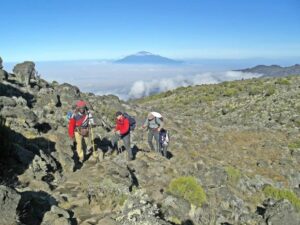
Trekking days last four to eight hours depending on route stage. Your guide sets a deliberately slow pace—”pole pole” becomes your mantra. Take regular breaks for water, snacks, and photographs. Guides share mountain knowledge, point out flora and fauna, and monitor how you’re handling altitude.
Porters race ahead, reaching camp long before you arrive. This incredible feat—carrying 20 kilogram loads at speed through altitude—highlights their remarkable fitness and mountain knowledge. When you reach camp, your tent stands ready, and hot washing water awaits. Snacks and hot drinks revive energy before dinner.
Evenings involve acclimatization briefings, meal service, and early bedtime. Camp life strips away modern distractions—no internet, minimal electricity, and basic sanitation. This simplicity lets you focus on the challenge ahead and forge bonds with climbing partners.
Summit night breaks all patterns. Departure around 11:00 PM-midnight catches frozen scree for better footing. You ascend through darkness, headlamps illuminating the path and stars filling the sky above. The cold bites, exhaustion builds, but sunrise from high altitude delivers transcendent beauty. Reaching Uhuru Peak—whether at dawn or mid-morning—provides indescribable satisfaction. After summit photos and celebrations, the long descent to camp tests legs and knees before final descent to lower elevations.
Choosing Ethical, Quality Operators
Tour operator selection profoundly impacts your experience, safety, and the welfare of climbing crews. Tanzania’s tourism industry includes operators ranging from excellent to exploitative. Research carefully before booking.
Reputable operators prioritize safety through proper guide-to-client ratios (typically 1:2 for guides, with sufficient assistant guides), quality equipment, comprehensive medical kits, and evacuation protocols. They pay porters fairly according to KPAP (Kilimanjaro Porters Assistance Project) guidelines, provide proper clothing and equipment for crew, and maintain reasonable weight limits.
Warning signs of problematic operators include prices significantly below market rates ($1,500-2,000 minimum for quality service), vague answers about porter treatment, poor online reviews, or pushy sales tactics. Remember—cheap climbs cost human dignity and safety.
Interview potential operators about guide qualifications, porter welfare policies, group sizes, equipment quality, and emergency procedures. Request detailed itineraries and packing lists. Read recent reviews on independent platforms. Consider companies with KPAP certification or membership in the Kilimanjaro Association of Tour Operators (KIATO).
Budget $2,000-4,000 for quality service including park fees, guides, porters, camping equipment, meals, and airport transfers. Add $250-350 for crew tips—this gratuity significantly impacts the lives of hardworking mountain staff. Include costs for visas, travel insurance, vaccinations, personal gear, and international flights in your total budget.
Environmental Stewardship and Cultural Respect
Kilimanjaro National Park enforces strict regulations protecting this UNESCO World Heritage Site. As a visitor, your environmental responsibility extends beyond following rules to actively preserving this natural wonder.
Pack out all waste—guides collect all trash for proper disposal. Use designated toilet facilities, crude though they may be. Stay on established trails to prevent erosion and vegetation damage. Never feed wildlife or remove plants, rocks, or other natural objects.
Climate change threatens Kilimanjaro’s iconic glaciers, which have lost 85% of their ice mass since 1912. Scientists predict complete disappearance within decades. While individual actions seem small, collective responsible tourism, carbon offset programs, and climate advocacy contribute to preservation efforts.
Cultural sensitivity enriches your experience and respects Tanzanian hosts. Learn basic Swahili greetings—”Jambo” (hello), “Asante” (thank you), “Karibu” (welcome). Show genuine interest in crew members’ lives and stories. Photography requires asking permission first. Dress modestly in towns and villages.
Your climbing fees support park maintenance, conservation programs, and local communities. Tourism provides crucial income for regions surrounding Kilimanjaro, funding schools, healthcare, and infrastructure. Ethical tourism creates a positive impact when conducted with respect and cultural sensitivity.
Conclusion
Climbing Kilimanjaro represents one of the world’s most accessible yet genuinely challenging mountain adventures. This majestic volcano tests your physical limits, mental resilience, and adaptability while immersing you in stunning natural beauty and rich cultural exchanges. Success demands thorough preparation, intelligent route selection, altitude respect, and unwavering determination, but the reward—standing atop Africa with the world spread below—creates memories transcending the temporary discomfort of the ascent.
Beyond personal achievement, your climb supports Tanzanian communities, contributes to conservation efforts, and connects you with the universal human drive to explore and overcome challenges. Whether you summit or turn back honorably, the journey teaches invaluable lessons about perseverance, humility, and the power of natural places to transform our understanding of ourselves and our capabilities.
Key Takeaways
- Accessible yet demanding: No technical climbing skills required, but excellent fitness and mental toughness are essential for success
- Route selection is critical: Longer routes (7-9 days) provide better acclimatization and success rates exceeding 90%
- Altitude determines outcomes: Proper acclimatization through slow ascent, hydration, and adequate duration matters more than fitness alone
- Training takes months: Begin cardiovascular and strength training 4-6 months before departure, including loaded hiking practice
- Invest in quality gear: Proper layering systems, broken-in boots, and warm sleeping bags prevent misery at altitude
- Operator choice matters: Select ethical companies treating porters fairly and prioritizing safety over profit margins
- Pole pole philosophy: Slow, steady pacing prevents altitude sickness and conserves energy for summit push
- Budget realistically: Quality climbs cost $2,000-4,000 plus tips, travel expenses, and gear investments
- Environmental responsibility: Practice Leave No Trace principles and support conservation efforts protecting Kilimanjaro
- Cultural immersion: Embrace opportunities to connect with Tanzanian crew members and local communities
- Flexible expectations: Weather, altitude, and circumstances may require adjustments—summit is optional, safe return is mandatory
- Transformative experience: The journey offers profound personal growth beyond simply reaching the peak
Frequently Asked Questions
How fit do I need to be to climb Kilimanjaro? You need strong cardiovascular endurance to trek 6-8 hours daily at progressively higher altitudes. If you can comfortably hike 8-10 kilometers with a loaded backpack, you have a solid fitness foundation. Consistent training for 4-6 months before your climb significantly improves success chances and enjoyment.
Can I climb Kilimanjaro without prior hiking experience? Yes, many first-time trekkers successfully summit Kilimanjaro. However, prior multi-day hiking experience helps you understand your body’s responses to extended physical exertion and builds confidence. If you’re new to trekking, complete several practice hikes before departure to test gear and build trail skills.
What’s the best month to climb Kilimanjaro? Optimal climbing windows are January-March and June-October during Tanzania’s dry seasons. January-March offers clearer skies, fewer crowds, and snow-capped summit conditions. June-October is busier but provides stable weather. Avoid April-May (heavy rains) and November (short rains), though Kilimanjaro can be climbed year-round.
How cold does it get on Kilimanjaro? Temperatures vary dramatically by elevation. Lower slopes remain tropical (20-30°C), while high camps drop to -5°C to -10°C at night. Summit conditions range from -10°C to -20°C with significant windchill. Proper cold-weather gear and layering systems are essential for comfort and safety.
What happens if I get altitude sickness? Guides monitor all climbers for altitude sickness symptoms. Mild symptoms (headache, nausea) often improve with rest, hydration, and slower ascent. If symptoms worsen or severe signs appear, immediate descent is the only effective treatment. Reputable operators have oxygen, medical kits, and evacuation protocols. Travel insurance covering high-altitude emergencies is mandatory.
How much should I tip my climbing crew? Standard tipping recommendations suggest $250-350 per climber for the entire crew, distributed according to responsibility levels: lead guide ($80-100), assistant guides ($60-80), cook ($60-80), and porters ($40-60 each). Tips are pooled and distributed by the lead guide. These gratuities significantly impact crew members’ livelihoods.
Is travel insurance necessary for climbing Kilimanjaro? Absolutely essential. Purchase insurance covering medical emergencies up to 6,000 meters altitude, evacuation costs (which can exceed $10,000), and trip cancellation. Standard travel insurance typically excludes high-altitude trekking. Companies like World Nomads, Global Rescue, or Ripcord Travel Insurance offer appropriate coverage.
Can I charge devices on the mountain? Electrical power is unavailable at most camps. Bring sufficient batteries for headlamps and cameras, or invest in solar chargers or power banks. Some operators offer charging services at extra cost. Conserve device battery by using airplane mode and limiting usage to essential photos and safety communications.